
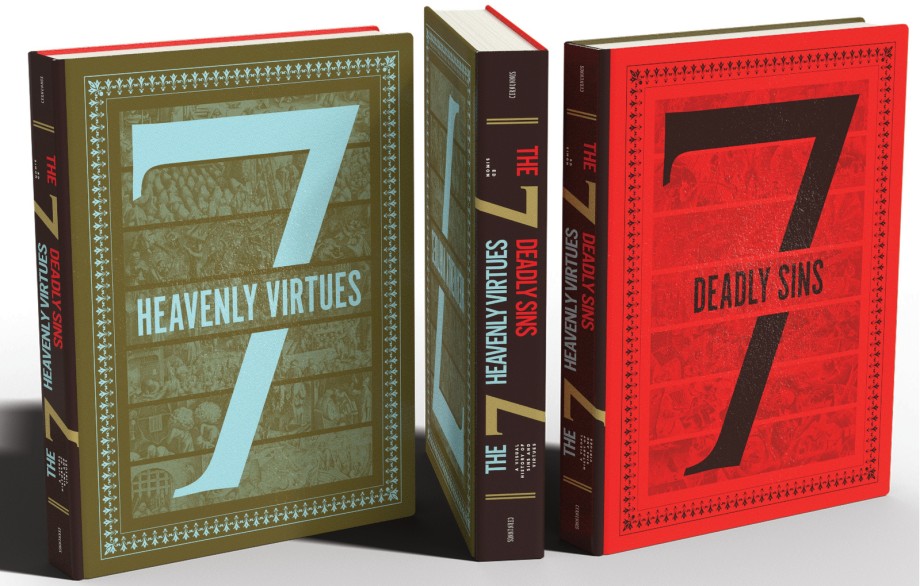

The Seven Deadly Sins and Seven Heavenly Virtues: A Visual History is a richly illustrated, large‑format exploration of how humanity has attempted to understand morality, self‑control, and spiritual struggle through art, religion, and philosophy.
Presented as a substantial hardcover volume with extensive color imagery throughout, the book brings together visual history and cultural analysis in a form designed for browsing as much as reading.
Written by scholar and cultural critic Ed Simon, the book examines the enduring symbolic power of the seven deadly sins and their corresponding virtues—concepts that have shaped ethical thought and artistic expression for centuries. Unlike angels bound to obedience or demons consigned to rebellion, human beings occupy an unsettled moral terrain, defined by competing impulses toward excess and restraint, vice and virtue.
Across its generously illustrated pages, the book draws on a wide range of visual material, including religious art, painting, manuscript imagery, and later cultural representations. Each chapter situates a sin and its corresponding virtue within theological, philosophical, and historical contexts, showing how these moral categories have evolved over time—from tools of instruction and warning to frameworks for interpreting human behavior and social order.
Designed as both a visual reference and a cultural history, the book invites readers to linger over imagery while tracing the shifting meanings of concepts such as pride and humility, greed and generosity, lust and chastity. The result is a volume that captures humanity at its most aspirational and most flawed, through illustrations as compelling as the ideas they reflect.
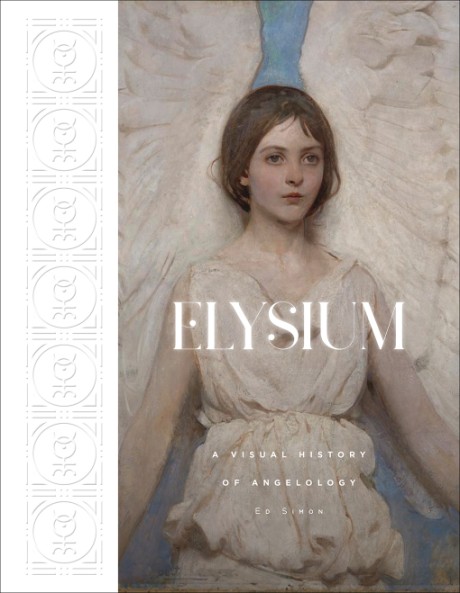
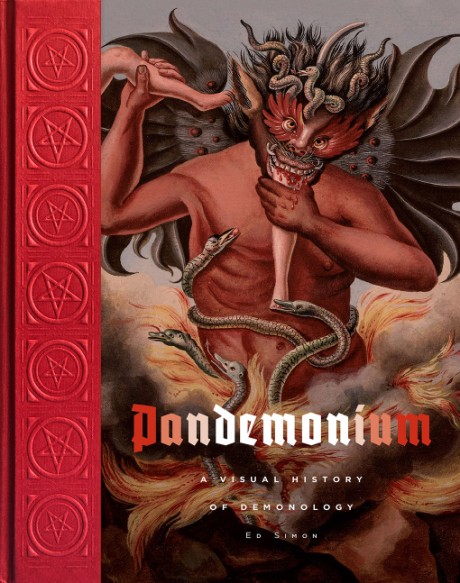
Completing a thematic trilogy with Pandemonium: A Visual History of Demonology and Elysium: A Visual History of Angelology, The Seven Deadly Sins and Seven Heavenly Virtues turns its focus squarely toward humanity itself—offering a visually immersive meditation on moral imagination across art, religion, and history.