
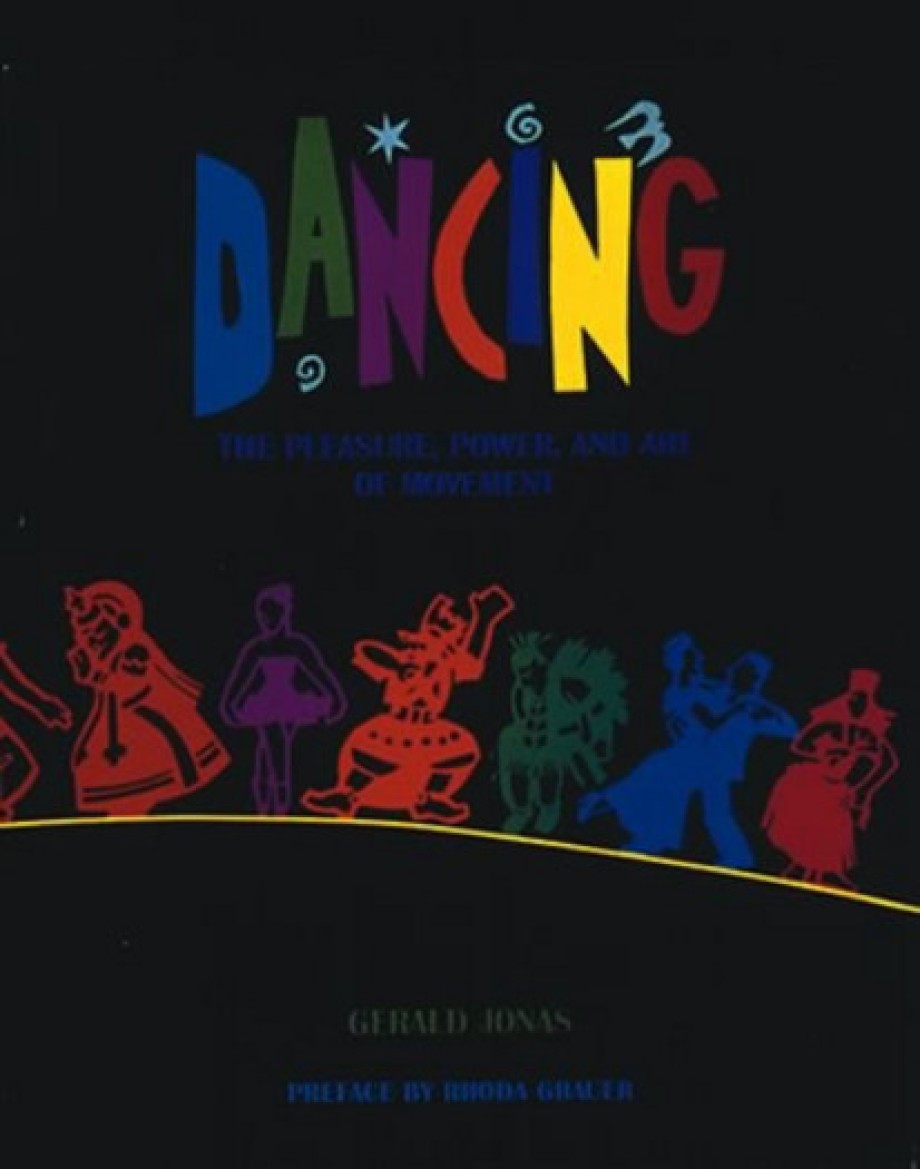
From ballet and bharata natyam to social dance, ritual performance, and modern choreography, this richly illustrated global survey explores why human beings dance—and what dance reveals about the cultures that create it.
Written by longtime New Yorker staff writer Gerald Jonas and created as a companion to the Emmy Award–nominated PBS miniseries, Dancing: The Pleasure, Power, and Art of Movement offers a sweeping exploration of one of humanity's oldest and most universal forms of expression.
Drawing on dance history, anthropology, extensive travel, and interviews with performers and scholars, Jonas illuminates the traditions, meanings, and evolution of dance across six continents.
With more than 260 illustrations, the book examines a remarkable range of dance forms, including classical ballet, Japanese kabuki and bugaku, the court dances of Ghana's Asante people, Indian kathakali and bharata natyam, twentieth-century dance crazes, and the revolutionary development of modern dance. Along the way, Jonas traces the cultural exchanges that helped shape contemporary social dance throughout the world.
More than a history of performance, Dancing is an exploration of movement as a social, spiritual, artistic, and cultural force. Whether expressing ritual, identity, celebration, storytelling, or resistance, dance emerges here as one of humanity's most powerful and enduring languages.
Praised by The New York Times Book Review as a work that "constructs a mosaic" connecting cultures and traditions through movement, and lauded by Library Journal as an extensively researched and richly illustrated achievement, Dancing remains an accessible and authoritative introduction to the art of dance around the world.